What Does It Mean to Be a Tortuguero?
¿Qué Significa Ser Tortuguero?
The word “tortuguero” has a curious origin: it’s first documented in 1938, referring to a person who hunts turtles. For decades along Mexico’s coasts, being a tortuguero meant taking turtles and their eggs to sell as food, crafts, or goods.
Today, that same word means exactly the opposite.
From Hunters to Guardians
In Mexico’s fishing regions, turtles were historically caught for their meat, skin, and eggs, until a total, indefinite ban was established in 1990. But the law alone wasn’t enough—it took people willing to watch over the beaches, night after night.
Source: Tamaulipas State GovernmentThat’s where the new tortuguero is born: the person—volunteer, biologist, fisherman, or neighbor—who chooses to protect instead of extract. One example that captures this shift well is the Burgoín family, fishermen from Baja California Sur, who learned from a conservation group to measure, weigh, photograph, and tag turtles instead of catching them to eat or sell. Today, they’re the ones teaching that same work to their community.
Source: Real Academia EspañolaWhat Does a Tortuguero Actually Do?
The purpose of turtle conservation camps is to protect and conserve these species by caring for nesting females and their nests, aiming for the highest possible number of hatchlings. Day to day, that means:
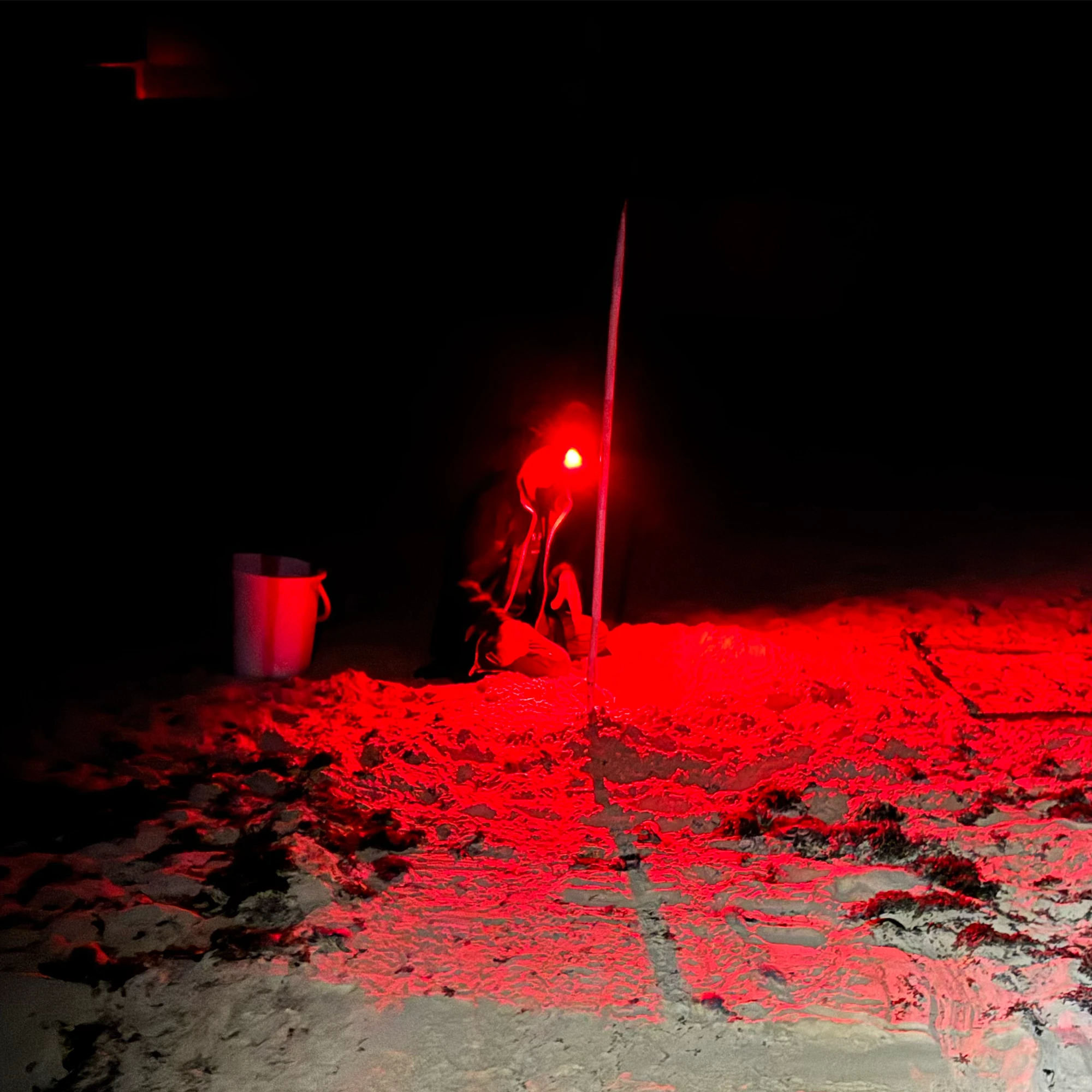
Source: Biosferambiental- Patrolling the beach at night, searching for tracks and new nests
- Protecting, marking, and logging each nest—species, date, and location
- Monitoring incubation for 45–60 days
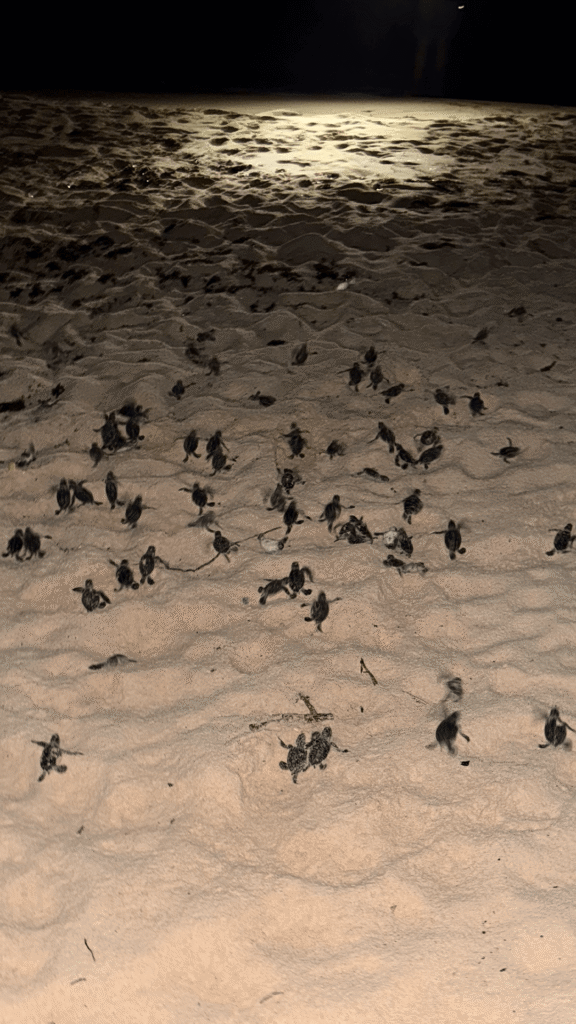
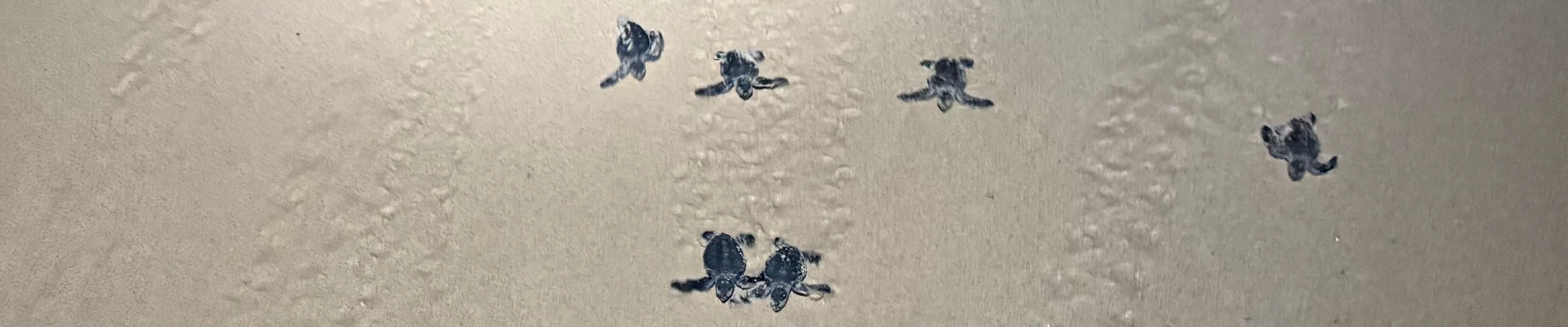
- Releasing hatchlings to the sea at exactly the right moment
- Educating tourists and the community on why it matters
Why Does This Work Matter So Much?
Sea turtles are a flagship conservation group because of their natural history, ecological importance, and cultural value—acting as an umbrella species that helps protect ecosystems like coral reefs, mangroves, and seagrass beds. They’re also among the most threatened groups of marine vertebrates, with 86% of all species at risk of extinction.
Source: CONANPWithout tortugueros, most of those beaches—and those ecosystems—would have no one defending them.
Being a Tortuguero in Akumal
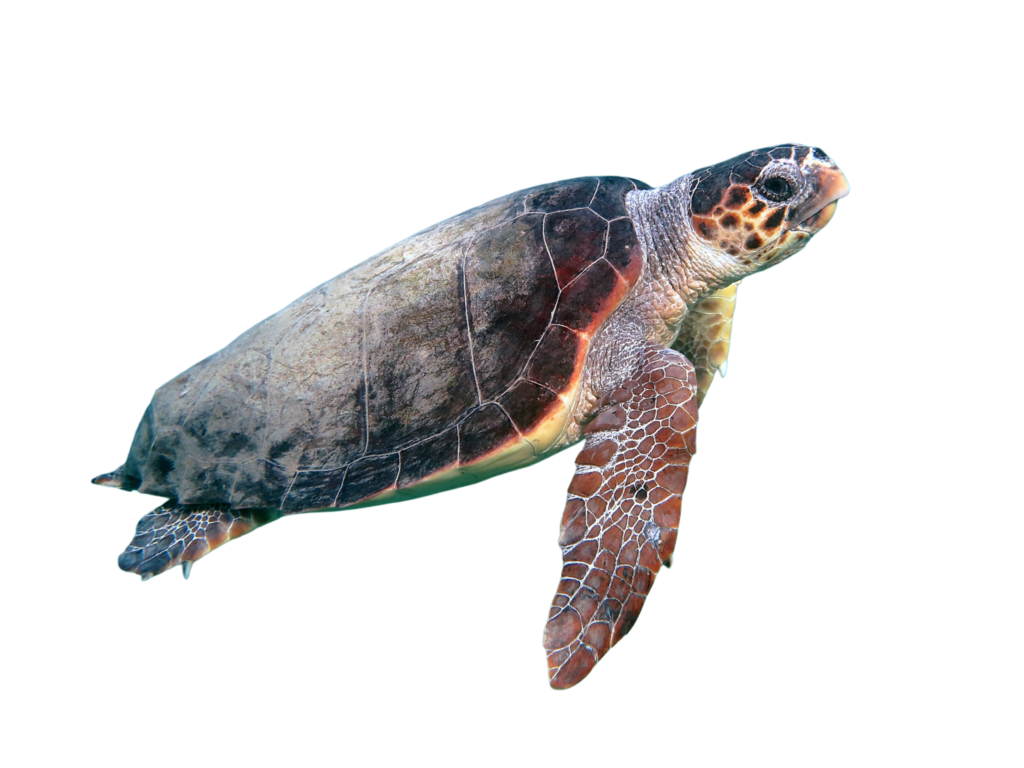
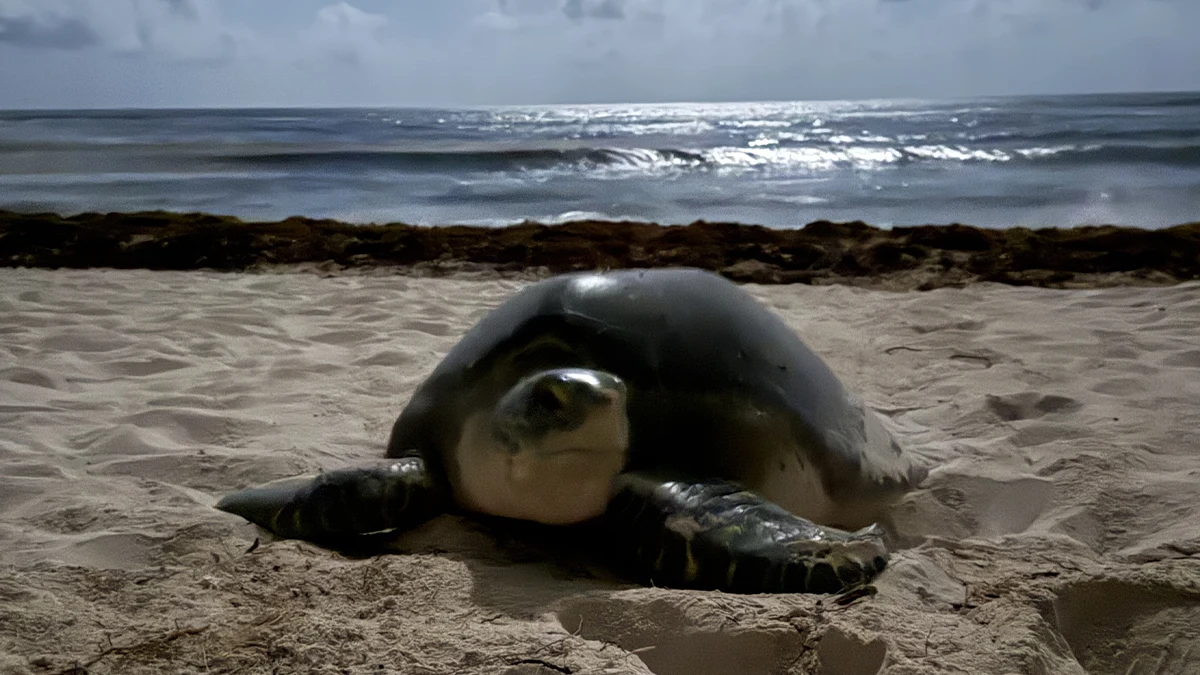
At S.A.V.E. Akumal, being a tortuguero means exactly that: turning love for the sea into concrete action. Every season (May–November), our team and volunteers walk Akumal’s beaches caring for the Green turtle and the Loggerhead, nest by nest, track by track.
You don’t need to be a biologist to be one. You just need the willingness to care for what most people never see.
Want to be a tortuguero in 2026?
Learn About Our Volunteer ProgramLa palabra “tortuguero” tiene un origen curioso: se documenta por primera vez en 1938 para referirse a una persona que pesca tortugas. Durante décadas, en las costas de México, ser tortuguero significaba extraer tortugas y sus huevos para venderlos como alimento, artesanía o mercancía.
Hoy, esa misma palabra significa exactamente lo contrario.
De cazadores a guardianes
En zonas pesqueras de México, las tortugas eran capturadas históricamente para aprovechar su carne, piel y huevos, hasta que en 1990 se estableció una veda total e indefinida. Pero la ley por sí sola no bastaba—hacía falta gente dispuesta a cuidar las playas noche tras noche.
Fuente: Gobierno de TamaulipasAhí nace el nuevo tortuguero: la persona (voluntario, biólogo, pescador o vecino) que decide proteger, en lugar de extraer. Un ejemplo que ilustra bien esta transformación es la familia Burgoín, pescadores de Baja California Sur, quienes aprendieron de un grupo de conservación a medir, pesar, fotografiar y marcar tortugas en lugar de capturarlas para comer o vender. Hoy son ellos quienes enseñan esa misma labor a su comunidad.
Fuente: Real Academia Española¿Qué hace un tortuguero en la práctica?
La función de los campamentos tortugueros es procurar la protección y conservación de las especies, mediante el cuidado de hembras anidadoras y sus nidos, para lograr un mayor número de crías. En el día a día, esto se traduce en:
Fuente: Biosferambiental- Patrullar la playa de noche buscando huellas y nidos nuevos
- Proteger, marcar y registrar cada nido con datos de especie, fecha y ubicación
- Cuidar la incubación durante 45–60 días
- Liberar a las crías al mar en el momento justo
- Educar a turistas y comunidad sobre por qué esto importa
¿Por qué importa tanto esta labor?
Las tortugas marinas son un grupo emblemático de conservación por su historia natural, importancia ecológica y valor cultural, y funcionan como especie bandera para proteger ecosistemas como arrecifes de coral, manglares y pastos marinos. Son también uno de los grupos de vertebrados marinos más amenazados, con el 86% de todas las especies en peligro de extinción.
Fuente: CONANPSin tortugueros, gran parte de esas playas—y de esos ecosistemas—no tendrían quién las defendiera.
Ser tortuguero en Akumal
En S.A.V.E. Akumal, ser tortuguero significa exactamente eso: convertir el amor por el mar en acción concreta. Cada temporada (mayo–noviembre), nuestro equipo y voluntarios recorren las playas de Akumal cuidando a la tortuga Verde y la Caguama, nido por nido, huella por huella.
No necesitas ser biólogo para serlo. Solo necesitas la voluntad de cuidar lo que la mayoría no ve.
¿Quieres ser tortuguero este 2026?
Conoce Nuestro Programa de Voluntariado